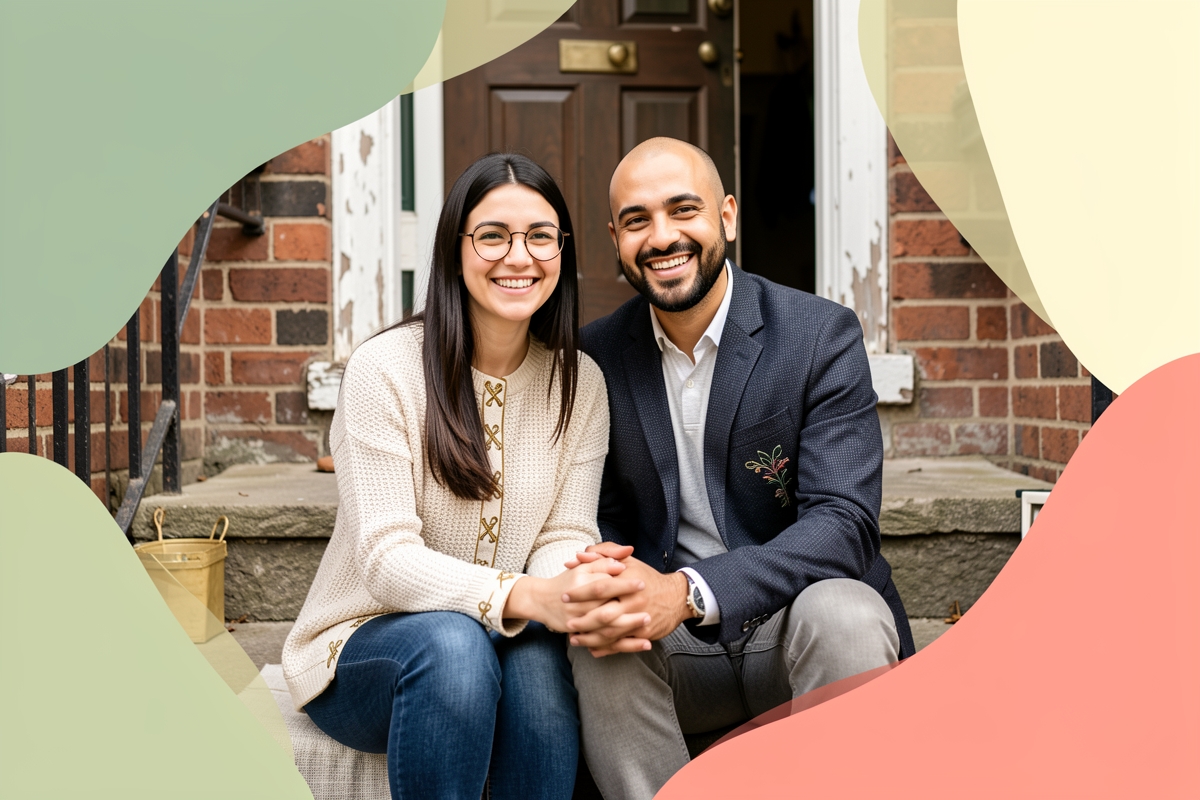
Interfaith Marriages Rise

The world is witnessing a significant rise in interfaith marriages, with couples from different religious backgrounds coming together. This trend is redefining traditional wedding customs and family expectations. As communities come together to celebrate their differences, couples are finding ways to blend their traditions and create unique wedding celebrations.

Introduction to Interfaith Marriages
The world is witnessing a significant rise in interfaith marriages, with couples from different religious backgrounds coming together to build a life. This trend is not limited to any particular region, with countries in North America, South Asia, and the Middle East seeing an increase in such unions. As reported by Interfaith America, communities are coming together to celebrate their differences and foster unity. For multicultural couples planning their wedding, a multilingual wedding site like the ones couples build on lumiwed.com can be a great way to share their story and include all their guests.
Cultural and Social Implications
Interfaith marriages have significant cultural and social implications, particularly when it comes to wedding planning. Couples may face challenges in navigating the expectations of their families and communities, while also trying to stay true to their own beliefs and values. In some cases, families may not approve of the marriage, leading to tension and conflict. However, many couples are finding ways to blend their traditions and create a unique and meaningful wedding celebration. For example, a couple may choose to include elements of both their faiths in the ceremony, or to have a separate celebration for each family.
Blending Traditions
Blending traditions is a key aspect of interfaith weddings, and can be a fun and creative way for couples to express their love and commitment to each other. This can involve incorporating elements of both faiths into the ceremony, such as music, rituals, or readings. Couples may also choose to have a fusion wedding, which combines elements of different cultures and traditions. For more information on fusion wedding trends, see our article on Fusion Wedding Trends. Additionally, couples can draw inspiration from Global Festivals in Multicultural Weddings to create a unique and memorable celebration.
Navigating Challenges
Despite the many benefits of interfaith marriages, couples may still face challenges in planning and navigating their multicultural wedding. One of the biggest challenges is finding a way to balance the expectations of both families and communities. This can be particularly difficult if the families have different cultural or religious traditions. Couples may also face challenges in finding a venue or vendors that can accommodate their needs. However, with careful planning and communication, many of these challenges can be overcome. As reported by the Queens Chronicle, interfaith tours and events can be a great way to build bridges between different communities and foster greater understanding.
By embracing their differences and finding ways to blend their traditions, interfaith couples can create a truly unique and meaningful wedding celebration that reflects their love and commitment to each other.
Managing Guest Expectations
Managing guest expectations is another important aspect of planning an interfaith wedding. Couples may need to consider the dietary restrictions and cultural sensitivities of their guests, as well as any language barriers that may exist. This can be particularly challenging if the wedding is being held in a location where the dominant culture is different from that of the couple. However, with careful planning and communication, couples can find ways to accommodate the needs of all their guests. For example, they may choose to have a multilingual wedding website, or to provide translation services for guests who speak different languages. Our article on Wedding RSVP Management for International Guests: A Simple System That Scales provides more tips and advice on managing guest expectations.
Creating a Personalized Wedding Celebration
Creating a personalized wedding celebration is a key aspect of any wedding, and is particularly important for interfaith couples. By incorporating elements of both their faiths and cultures, couples can create a truly unique and meaningful celebration that reflects their love and commitment to each other. This can involve everything from the music and decorations to the food and attire. Couples may also choose to include personal elements, such as special readings or rituals, to make the ceremony even more meaningful. For inspiration on summer wedding trends across cultures, see our article on Summer Wedding Trends Across Cultures.
What This Means for You
So what does the rise of interfaith marriages mean for you, as a multicultural couple planning your wedding? It means that you are part of a growing trend of couples who are embracing their differences and finding ways to blend their traditions. It means that you have the opportunity to create a truly unique and meaningful wedding celebration that reflects your love and commitment to each other. And it means that you are helping to break down cultural and religious barriers, and to build bridges between different communities. As you plan your wedding, consider drawing inspiration from The Complete Guide to Multilingual Wedding Websites and Fusion Wedding Trends to create a celebration that is truly your own.
Conclusion and Final Thoughts
In conclusion, interfaith marriages are a growing trend that is redefining traditional wedding customs and family expectations. By embracing their differences and finding ways to blend their traditions, couples can create a truly unique and meaningful wedding celebration that reflects their love and commitment to each other. Whether you are planning a small intimate ceremony or a large elaborate celebration, remember that your wedding is a special day that is all about you and your partner. Don't be afraid to think outside the box and to incorporate elements that are meaningful to both of you. With careful planning and communication, you can create a wedding celebration that is truly unforgettable.
FAQ
What are the cultural implications of interfaith marriages?
Interfaith marriages have significant cultural implications, particularly when it comes to wedding planning, as couples navigate the expectations of their families and communities.
How can couples blend their traditions in an interfaith wedding?
Couples can blend their traditions by incorporating elements of both their faiths into the ceremony, such as music, rituals, or readings, and by having a fusion wedding that combines elements of different cultures.
What are some challenges that interfaith couples may face when planning their wedding?
Interfaith couples may face challenges in finding a way to balance the expectations of both families and communities, as well as finding a venue or vendors that can accommodate their needs.
Resources