Multicultural Weddings
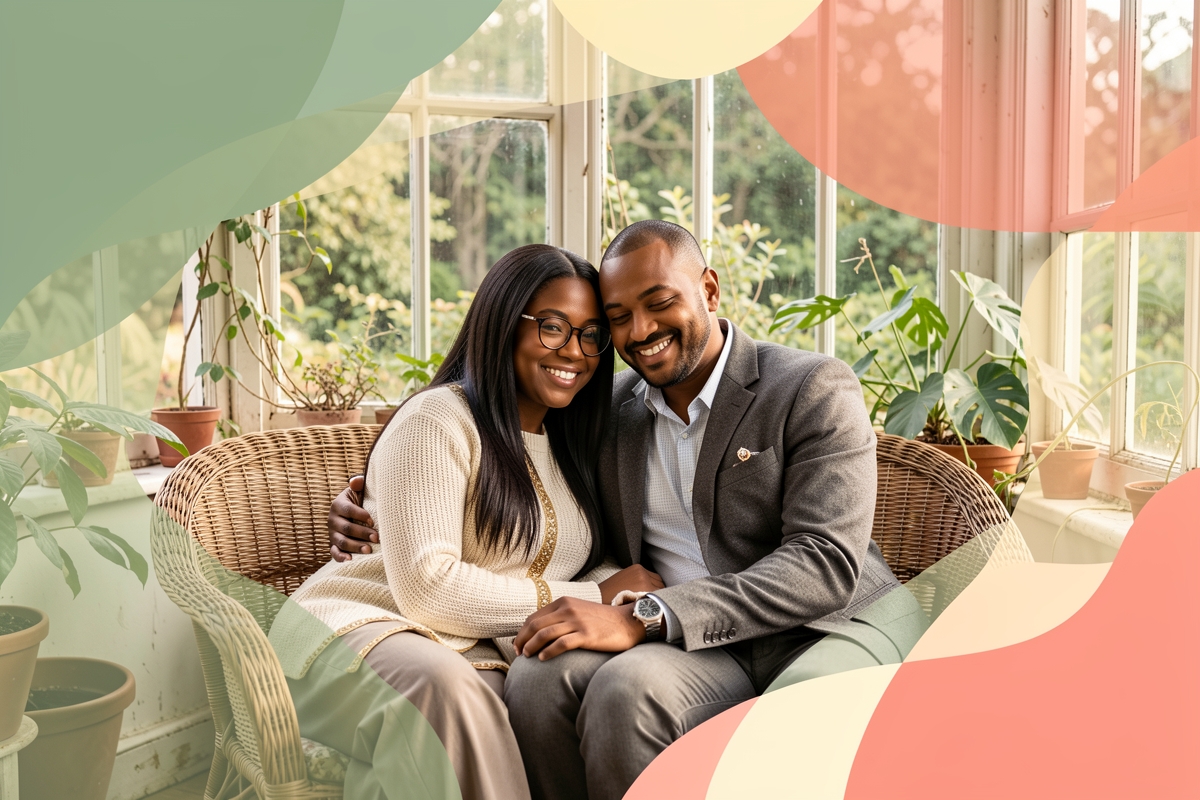
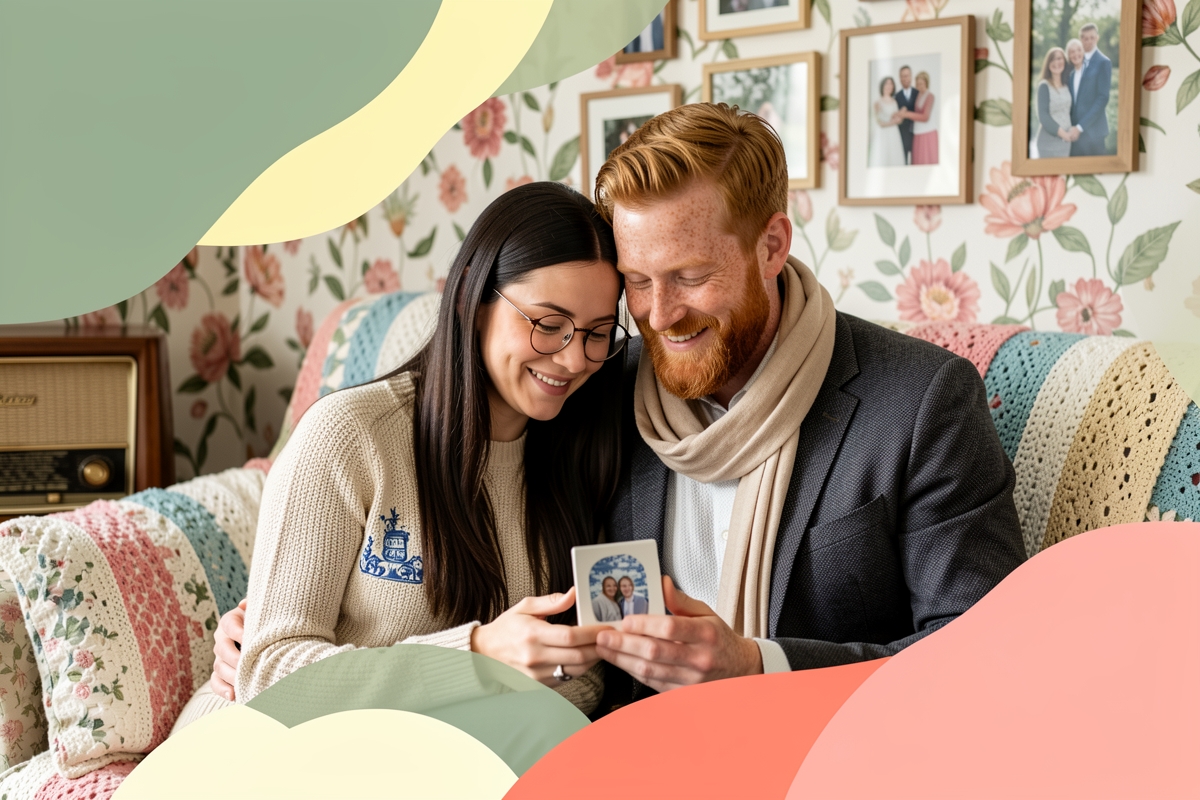
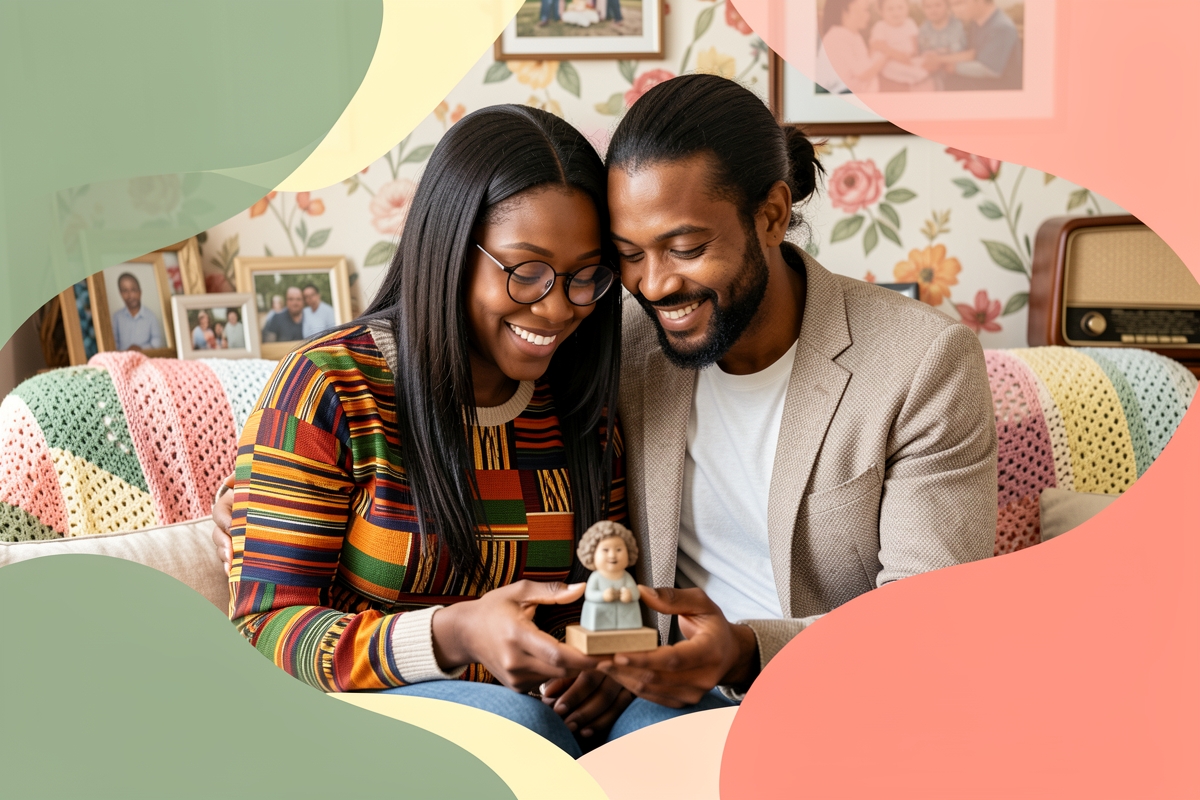
As the world becomes increasingly diverse, couples from different cultural backgrounds are redefining wedding traditions and incorporating their heritage into the celebration. This blend of cultures is creating a new and exciting landscape for weddings, with endless possibilities for creativity and self-expression. By embracing their cultural differences, couples can create a truly unforgettable and meaningful experience

Redefining Wedding Traditions Across Cultures
As you plan your wedding, you're likely thinking about how to blend your cultural heritage into the celebration. With the rise of multicultural weddings, couples are redefining traditional wedding customs and incorporating their unique cultural backgrounds into the festivities. You can start building your own unique wedding website on a multilingual wedding site like the ones couples build on lumiwed.com, and make it a reflection of your combined heritage.
Blending Cultural Traditions
One of the most exciting aspects of planning a multicultural wedding is deciding which cultural traditions to incorporate. You might choose to blend Indian and Chinese wedding customs, like the tea ceremony and the baraat procession, as some couples have done. Or, you could combine African and Latin American traditions, like the colors and music of a Brazilian carnival with the attire of a Nigerian wedding. The possibilities are endless, and it's up to you to decide what works best for your wedding. For inspiration, you can explore Global Wedding Traditions and find the perfect fit for your celebration.
Timing and Scheduling
When planning a multicultural wedding, timing and scheduling are crucial. You'll need to consider the different cultural and religious traditions that require specific dates or times of day. For example, some Hindu weddings take place at dawn, while others occur at dusk. You'll also need to think about how to schedule the various ceremonies and events that make up your multicultural wedding celebration. Creating a detailed timeline and sharing it with your vendors and guests can help ensure everything runs smoothly, as suggested by The Evore.
Incorporating Cultural Festivals
Incorporating cultural festivals into your wedding celebration is a great way to add depth and meaning to your special day. For example, if you're getting married in November, you could incorporate Diwali, the Hindu festival of lights, into your celebration, as recently recognized by the state of California, according to this report. You could also incorporate other cultural festivals, like the Chinese New Year or the Mexican Day of the Dead, into your wedding celebration. For more ideas, you can explore Celebrating Cultural Festivals in Multicultural Weddings.
Food and Drink
Food and drink play a significant role in many cultural wedding traditions. When planning your multicultural wedding, you'll want to consider how to incorporate traditional dishes and drinks from your respective cultures. You could have a fusion wedding menu that blends the flavors and ingredients of your two cultures, or you could have separate stations or courses that showcase each culture's unique cuisine. For inspiration, you can check out Fusion Wedding Menus.
Creating a Unique Wedding Celebration
As you blend your cultural heritage into your wedding celebration, remember that the most important thing is to create a unique and meaningful experience that reflects your shared values and traditions.
When planning your multicultural wedding, it's worth working through the logistics behind every tradition you keep: a venue that can hold two ceremonies, caterers who can cook from both kitchens, musicians who know the dances your families will expect. Ask each vendor what they have done before, get their quotes in writing, and let the traditions that matter most to you set the budget rather than the other way around.
Navigating Cultural Differences
As you plan your multicultural wedding, you may encounter cultural differences that require navigation. It's essential to approach these differences with sensitivity and respect, and to communicate openly with your partner and families about your needs and expectations. You can find more guidance on Same-Sex Marriage Laws for Multicultural Couples and learn how to create a welcoming and inclusive environment for all your guests.
Conclusion
Planning a multicultural wedding requires careful consideration of the various cultural traditions and customs that make up your unique heritage. By blending your cultural backgrounds and incorporating traditional elements into your celebration, you can create a truly unforgettable and meaningful experience that reflects your shared values and traditions. For more ideas and inspiration, you can explore Summer Wedding Trends Across Cultures and find the perfect way to make your special day a reflection of your love and commitment to each other.
FAQ
How can I incorporate my cultural heritage into my wedding celebration?
You can incorporate your cultural heritage into your wedding celebration by blending traditional elements, such as music, food, and decorations, into your wedding plans
What are some popular cultural festivals that can be incorporated into a wedding celebration?
Some popular cultural festivals that can be incorporated into a wedding celebration include Diwali, the Chinese New Year, and the Mexican Day of the Dead
How can I navigate cultural differences when planning a multicultural wedding?
You can navigate cultural differences when planning a multicultural wedding by communicating openly with your partner and families about your needs and expectations, and by approaching cultural differences with sensitivity and respect
Resources