Bilingual Wedding Planning Guide
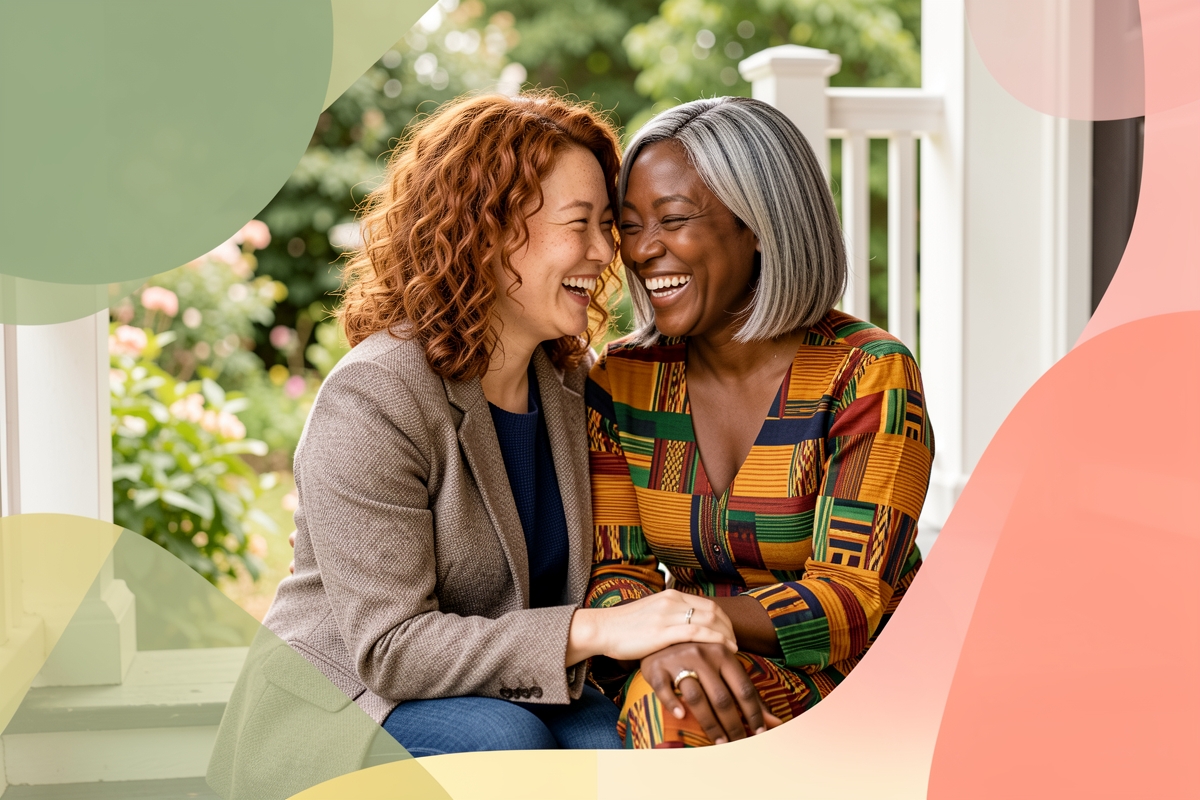
As the world becomes increasingly interconnected, couples from different cultural backgrounds are coming together to celebrate their love and heritage. The trend of incorporating multiple languages into wedding ceremonies and celebrations is growing. With the right approach, it can be a beautiful and meaningful way to bring your families and friends together. By incorporating multiple languages and cultural elements, couples can create a unique and inclusive celebration that reflects their shared heritage

Introduction to Bilingual Weddings
As the world becomes increasingly interconnected, couples from different cultural backgrounds are coming together to celebrate their love and heritage. The trend of incorporating multiple languages into wedding ceremonies and celebrations is growing. You might be wondering how to navigate the complexities of planning a bilingual wedding. With the right approach, it can be a beautiful and meaningful way to bring your families and friends together.
Cultural Significance of Bilingual Weddings
In many cultures, language plays a significant role in weddings. Incorporating multiple languages can be a way to honor and respect both families' traditions. For example, in a Chinese wedding, the invitation card is a crucial element, and as reported by ukweddingwebsites.com, the etiquette for designing and wording the card is steeped in tradition. Similarly, in Indian and Indonesian cultures, music and dance can bring people together, as seen in the SHAKTI! India • Indonesia: When Dance Brought Two Cultures Together project. By incorporating multiple languages and cultural elements, couples can create a unique and inclusive celebration that reflects their shared heritage.
Practical Considerations for Bilingual Weddings
Planning a bilingual wedding requires careful consideration of several factors, including language, culture, and logistics. You'll need to think about how to communicate with your guests, how to incorporate multiple languages into the ceremony and celebrations, and how to ensure that everyone feels included and respected. This might involve hiring bilingual wedding planners, creating multilingual wedding websites, or providing translation services for your guests. At lumiwed.com, we've seen many couples navigate these challenges and create beautiful, bilingual weddings that reflect their love and commitment to each other.
Benefits of Bilingual Weddings
One of the most significant benefits of bilingual weddings is the opportunity to bring people together and create a sense of community and inclusivity. By incorporating multiple languages and cultural elements, couples can create a celebration that feels truly global and reflective of their shared heritage. As reported by parent.com, bilingual households can have numerous benefits, including improved cognitive abilities and a deeper understanding of different cultures. A bilingual wedding can be a beautiful way to start your life together, surrounded by loved ones from different backgrounds and cultures.
Incorporating multiple languages and cultural elements into your wedding celebration can be a powerful way to honor your heritage and create a sense of community and inclusivity.
Navigating Cultural and Linguistic Differences
Navigating cultural and linguistic differences can be one of the most significant challenges of planning a bilingual wedding. You'll need to consider how to balance the needs and expectations of both families, how to communicate with your guests, and how to ensure that everyone feels included and respected. This might involve creating a bilingual wedding website, hiring bilingual wedding planners, or providing translation services for your guests. Here are some steps you can take to navigate these differences:
| Step | Description | Benefits |
|---|---|---|
| Create a bilingual wedding website | Provide information about the wedding in multiple languages | Ensure that all guests feel included and informed |
| Hire bilingual wedding planners | Work with planners who speak multiple languages | Get expert advice and guidance on navigating cultural and linguistic differences |
| Provide translation services | Offer translation services for guests who may not speak the dominant language | Ensure that all guests can participate and enjoy the celebration |
Incorporating Multiple Languages into the Ceremony
Incorporating multiple languages into the ceremony can be a beautiful way to honor your heritage and create a sense of community and inclusivity. You might consider having bilingual vows, a multilingual wedding ceremony, or incorporating traditional music and dance from both cultures. For example, you could have a Swedish-Finnish Wedding Website that reflects the cultural heritage of both families, or incorporate Bilingual Wedding Vows into the ceremony. By incorporating multiple languages and cultural elements, you can create a unique and meaningful celebration that reflects your shared heritage.
Creating a Multilingual Wedding Celebration
Creating a multilingual wedding celebration requires careful planning and attention to detail. You'll need to consider how to communicate with your guests, how to incorporate multiple languages into the ceremony and celebrations, and how to ensure that everyone feels included and respected. This might involve creating a Norwegian-Finnish Wedding Website or incorporating Cultural Festivals in Multicultural Weddings into the celebration. By incorporating multiple languages and cultural elements, you can create a unique and inclusive celebration that reflects your shared heritage. You can also draw inspiration from Multicultural Weddings and Multicultural Weddings Evolve to create a truly global and reflective celebration.
Conclusion
Planning a bilingual wedding requires careful consideration of cultural and linguistic differences, but with the right approach, it can be a beautiful and meaningful way to bring your families and friends together. By incorporating multiple languages and cultural elements, you can create a unique and inclusive celebration that reflects your shared heritage. Remember to take your time, be patient, and enjoy the process of planning your special day. With love, respect, and a willingness to learn from each other, you can create a truly unforgettable bilingual wedding celebration.
FAQ
What are the benefits of a bilingual wedding?
A bilingual wedding can bring people together, create a sense of community and inclusivity, and reflect the couple's shared heritage
How can I incorporate multiple languages into the ceremony?
You can have bilingual vows, a multilingual wedding ceremony, or incorporate traditional music and dance from both cultures
What are some practical considerations for planning a bilingual wedding?
You'll need to think about how to communicate with your guests, how to incorporate multiple languages into the ceremony and celebrations, and how to ensure that everyone feels included and respected
Resources