
Multicultural Wedding
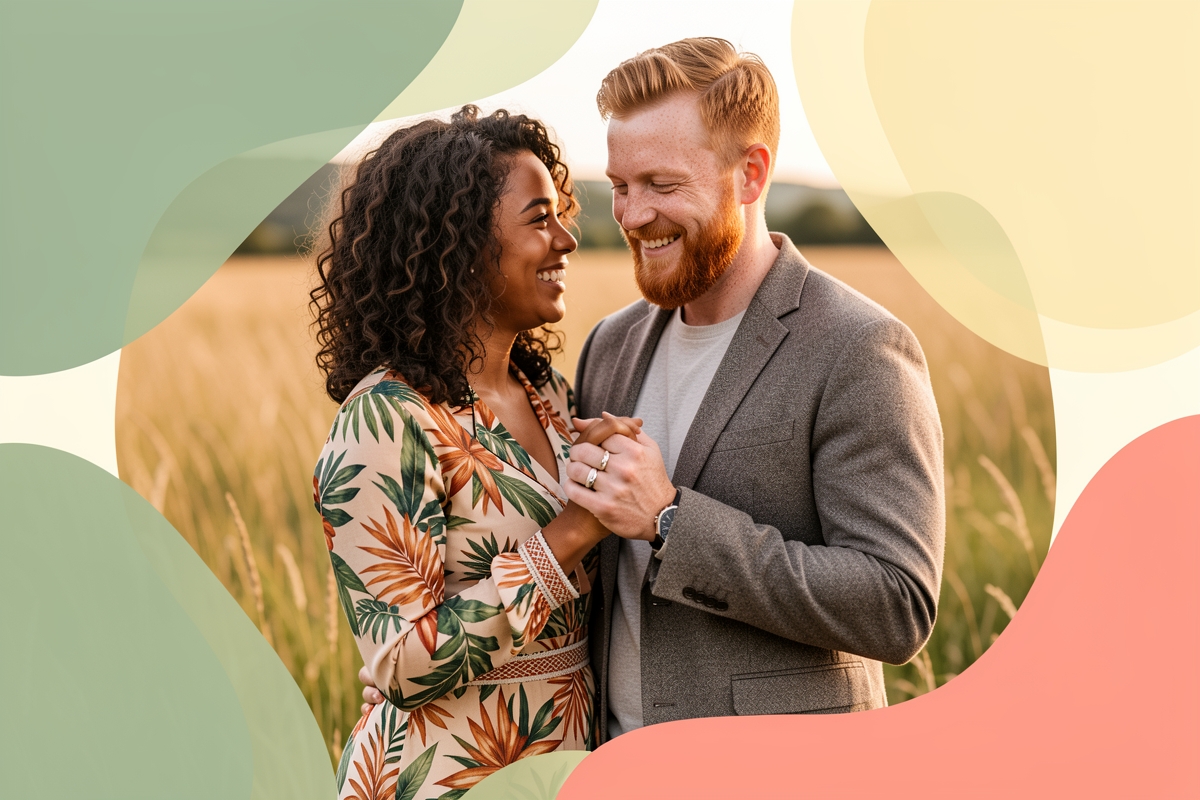
As the world becomes more globalized, couples from different cultural backgrounds are coming together to celebrate their love and heritage. Wedding planning can be a complex process, but with the right approach, couples can create a unique and meaningful wedding experience that reflects their love and cultural heritage. In this article, we'll explore the latest trends and challenges in multicultural wedding planning

Introduction to Multicultural Wedding Planning
As the world becomes more globalized, couples from different cultural backgrounds are coming together to celebrate their love and heritage. Wedding planning can be a complex process, as couples navigate the blending of traditions, languages, and cultural differences. In North America, Europe, and Asia, multicultural weddings are on the rise, with couples seeking to incorporate their unique cultural heritage into their special day. According to reported by theevore.com, understanding the timing and traditions of each culture is crucial in planning a successful multicultural wedding.
Navigating Cultural Differences
Couples face challenges when planning a multicultural wedding, including navigating cultural differences between their families and communities. This can include language barriers and differing expectations around wedding customs and traditions. For example, in some Asian cultures, the wedding ceremony is formal and traditional, while in other cultures, it may be more relaxed and informal. Couples must find a way to balance these differences and create a wedding celebration that honors both of their cultural heritages. Celebrating Multicultural Weddings can be a great way to learn about different cultural traditions and find inspiration for your own wedding.
Blending Traditions
Couples can blend their cultural traditions by incorporating elements from both cultures into the wedding ceremony and reception. For example, a couple with Korean and American heritage might include a traditional Korean tea ceremony in their wedding celebration, alongside a Western-style exchange of vows. Another approach is to create a fusion of cultural traditions, such as serving a mix of Korean and American food at the reception, or incorporating traditional music and dance from both cultures into the celebration. You can find more ideas on Bilingual Wedding Scripts to help you get started.
The Role of Language in Multicultural Weddings
Language plays a significant role in multicultural weddings, particularly when couples have guests who speak different languages. Creating a bilingual wedding website, like the ones couples build on lumiwed.com, can help communicate important details about the wedding to guests in multiple languages. Couples can also consider providing translation services or bilingual wedding programs to help guests who may not speak the dominant language of the wedding. Bilingual RSVP Wording for International Guests can be a helpful resource in planning your wedding.
Creating a Personalized Wedding Celebration
As couples navigate the complexities of multicultural wedding planning, they must also consider how to create a personalized and meaningful wedding celebration that reflects their unique love story and cultural heritage.
In addition to blending cultural traditions and navigating language differences, couples must think about how to create a wedding celebration that feels truly personalized and reflective of their relationship. This can involve incorporating personal elements, such as special music, photos, or rituals, into the wedding ceremony and reception. Couples can also consider working with a wedding planner who has experience with multicultural weddings to help them bring their vision to life. Multilingual Wedding Planner: Do You Need One? can help you decide if a planner is right for you.
Overcoming Challenges and Finding Support
Couples may face unique challenges and obstacles when planning a multicultural wedding, including cultural and language barriers, and differing expectations around wedding customs and traditions. To overcome these challenges, couples can seek support from friends, family, and wedding professionals who have experience with multicultural weddings. They can also consider joining online communities or forums for multicultural couples, where they can connect with others who are going through similar experiences. As reported by artvoice.com, cross-border marriages are becoming more common, and couples are finding creative ways to navigate the challenges and celebrate their love.
Timing and Traditions
When planning a multicultural wedding, timing and traditions are important considerations. Couples must consider the timing of their wedding in relation to important cultural and religious holidays, as well as the traditions and customs associated with these holidays. For example, a couple with Jewish and Christian heritage might choose to get married in the spring or fall, when neither the Jewish high holidays nor Christmas are being celebrated. The following table outlines some key considerations for timing and traditions in multicultural weddings:
| Culture | Tradition | Timing |
|---|---|---|
| Korean | Traditional tea ceremony | Before the wedding |
| American | Exchange of vows | During the wedding ceremony |
| Indian | Henna night | Before the wedding |
| Chinese | Lion dance | During the wedding reception |
Conclusion
Planning a multicultural wedding can be a complex and fascinating process, full of opportunities for creativity and cultural exchange. By navigating cultural differences, blending traditions, and creating a personalized wedding celebration, couples can create a unique and meaningful wedding experience that reflects their love and cultural heritage. Whether you're planning a small, intimate wedding or a large, elaborate celebration, the key is to stay true to your vision and find ways to honor both of your cultural traditions. Interfaith Marriages Rise is a great resource to learn more about the trends and challenges of interfaith marriages, and how to make your wedding celebration a success.
FAQ
What are the challenges of planning a multicultural wedding?
Couples may face challenges such as navigating cultural differences, language barriers, and differing expectations around wedding customs and traditions
How can couples blend their cultural traditions in their wedding celebration?
Couples can incorporate elements from both cultures into the wedding ceremony and reception, such as traditional music, dance, and food
What role does language play in multicultural weddings?
Language plays a significant role in multicultural weddings, particularly when couples have guests who speak different languages. Creating a bilingual wedding website and providing translation services can help communicate important details about the wedding to guests
Resources